When you invest in a high-quality human hair wig, one concern inevitably arises: wig shedding. Understanding the science of wig shedding helps you explain to your customers why a wig may lose hairs, what is normal, and when shedding is a sign of a problem. For your brand TrendyHair it’s vital to clarify this to build trust and set realistic expectations.
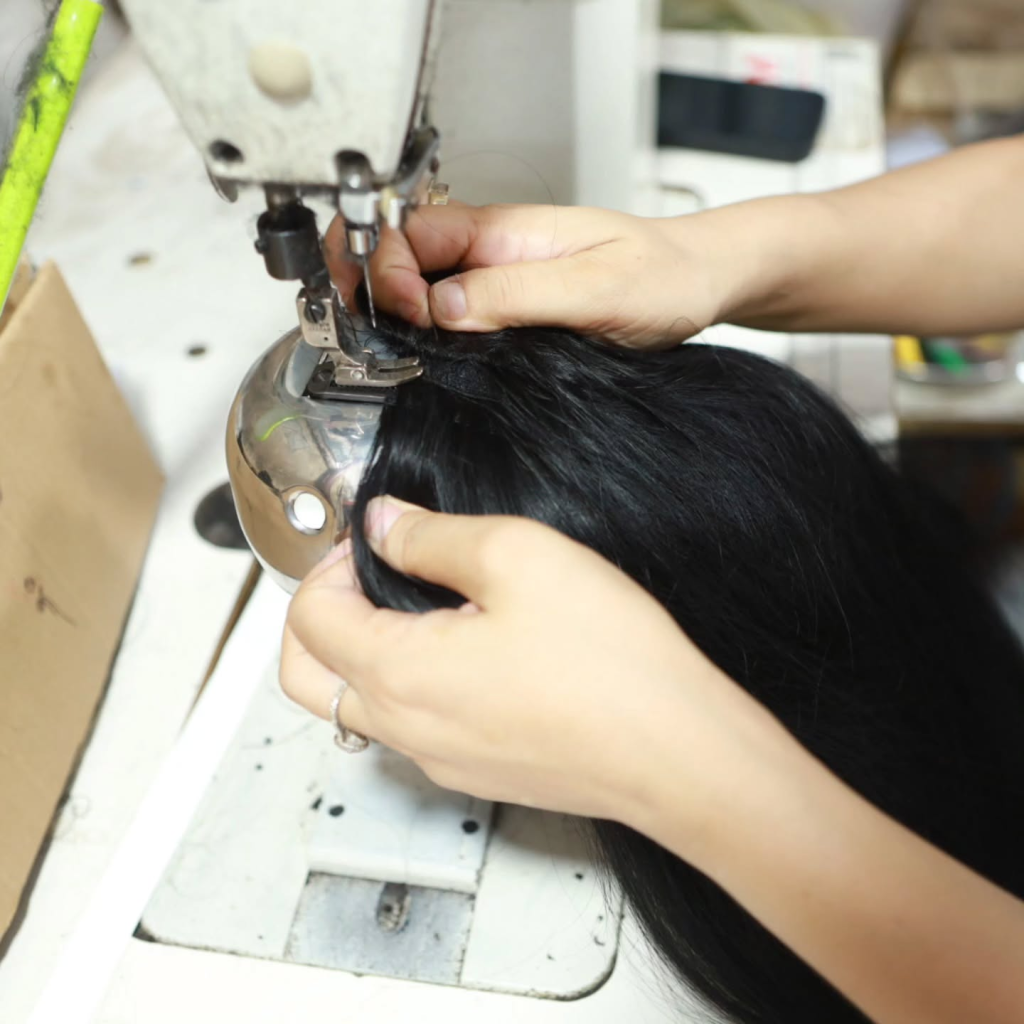
Wig shedding refers to the loss of individual hair strands from a wig base (cap) over time. Just like natural hair may shed, wigs also lose some hairs, especially as the knots weaken or the fibres are stressed. Daniel Alain+2newporthairlosscenter.com+2
From a structural viewpoint, shedding often starts at the knots or wefts where the hair is anchored to the cap. hairscientists.org
In short, understanding the science of wig shedding involves both fibre/hair strand health and the wig cap/knot construction.
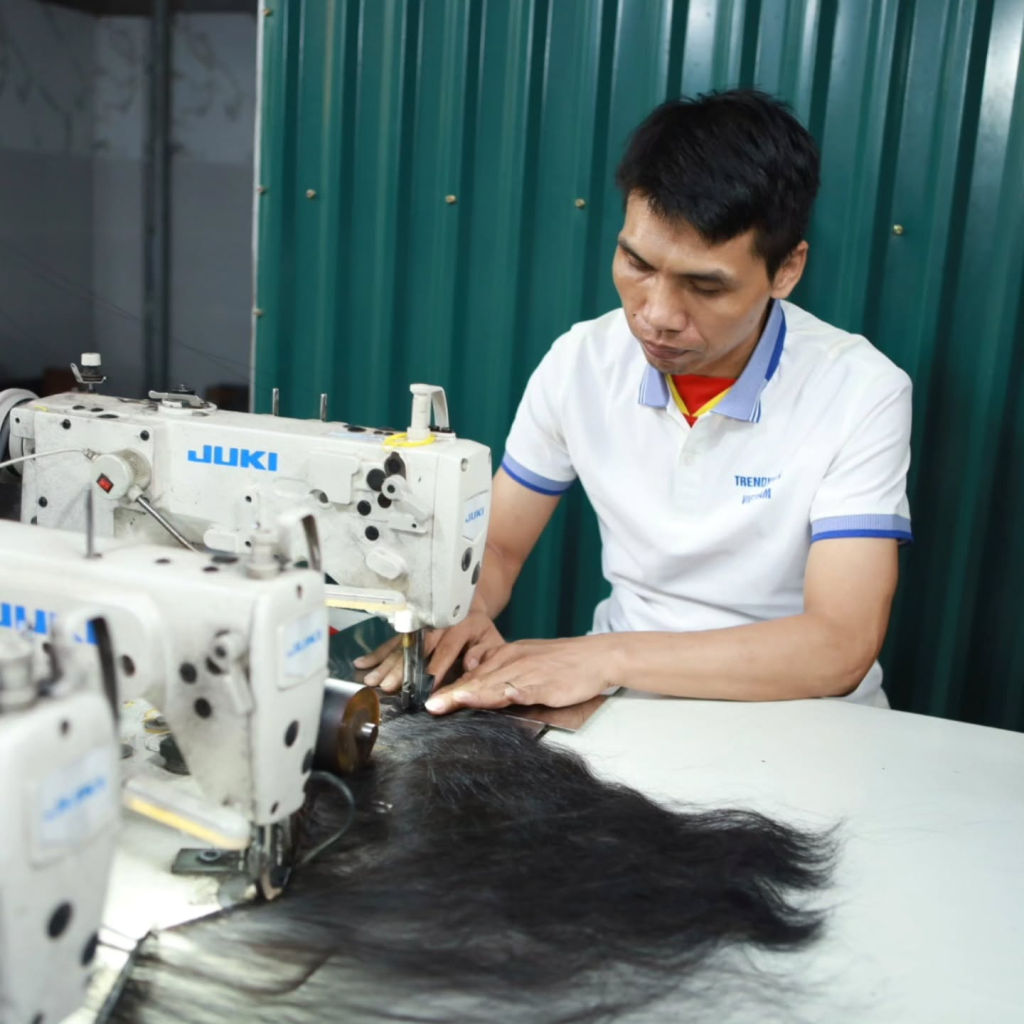
The way hair is attached to a wig—single knots, double knots, machine-stitched wefts—affects how securely hair is held. According to wig-industry research:
Human hair in a wig still behaves like natural hair: it swells when wet, becomes weaker when fibres are damaged by heat/chemicals or UV, and is subject to mechanical stress when styling. hairscientists.org+1
When the hair strand is weaker, it pulls more easily from the knot or cap, increasing shedding.
Also the wig’s cap might experience friction, heat, or moisture build-up that indirectly affects shedding. newporthairlosscenter.com
Many cases of excessive shedding are due to preventable causes: tight hairstyles, aggressive brushing, over-washing, too much heat, chemical processing. Daniel Alain+1
These activities accelerate fibre fatigue and knot loosening—key processes in the science of wig shedding.
In the case of wigs:

Here are care guidelines grounded in the mechanisms above:
When you communicate the science of wig shedding clearly:
So make sure your product pages, packaging and after-care instructions align with these insights.
Understanding the science of wig shedding isn’t just academic—it leads to real-world benefits: longer lifespan, better appearance, fewer surprises for your customers. While no wig is shedding-free, with quality materials, good construction and proper care, shedding can be minimized and controlled. For your brand TrendyHair, building this into your marketing, education and customer service will set you apart.
Encourage your customers: “Buy quality, treat it well, store it properly — and your wig will reward you.”
Read more: Blog – TRENDYHAIR VIETNAM
Learn more: https://www.allure.com/hair-ideas